

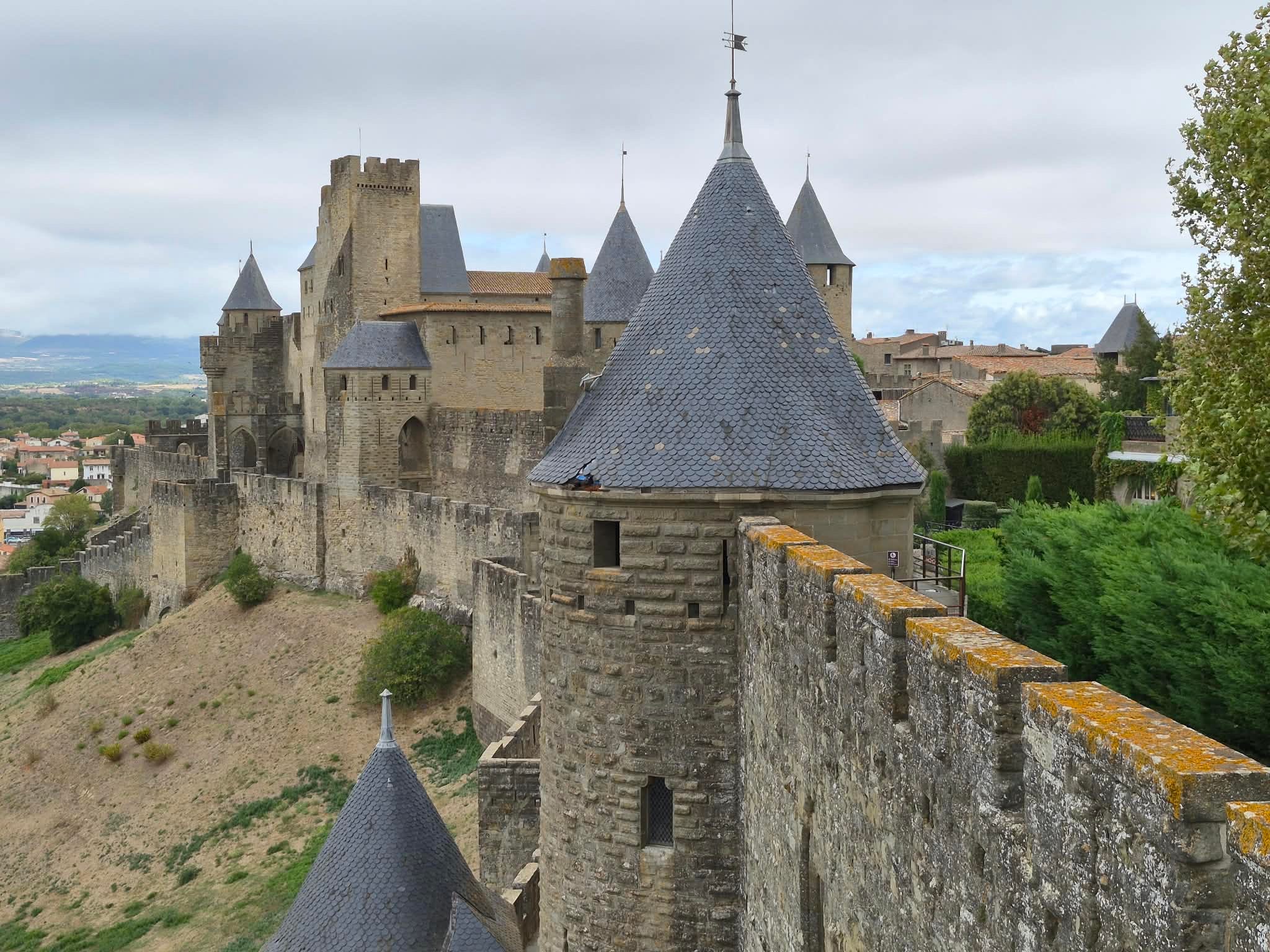
The Nazis were keen on the Cathars. Heinrich Himmler deemed them preservers of Aryan purity in medieval Europe and funded research into the history.
The detail brought me up short. I was vaguely aware that the Cathars were unlikely to have been a Languedocian para-church of harmless dualists: peace-loving, women-friendly, reincarnation-believing, pescatarian.
But whilst the Nazis were shameless appropriators, their delight in the “perfect ones”, as the word Cathar means, sat too weirdly alongside the hippies that Kate Mosse depicts in her novels and the conspiracists that Dan Brown has in his. Something was not adding up.
So who were the Cathars? Or, as it turns out, there is a better question to ask: were they at all?
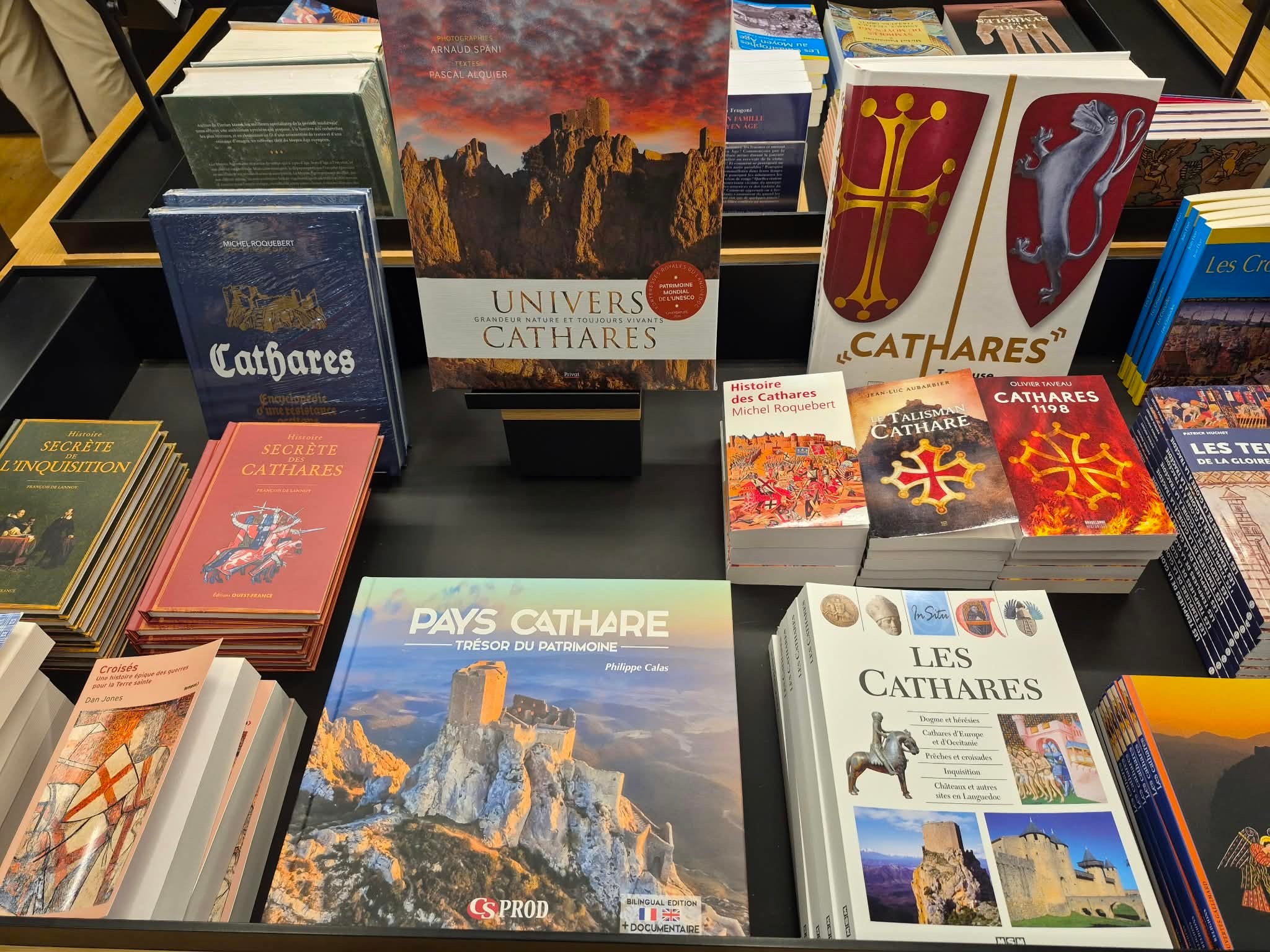
Anyone with more than a passing interest in this subject will know that the historical consensus on the Cathars changed dramatically in 2012. In that year, R.I. Moore published “The War On Heresy”. The much-respected medievalist argued that the facts were different.
Some background. In 1199, Pope Innocent III started calling himself “Vicar of Christ”: above all monarchs, anointed by God. And not without cause. For perhaps the first time in history, he had the financial, technological and bureaucratic means to enforce his vision of a European-wide, centralised Christianity.
The aim was supercharged by apocalyptic fears of an enemy lurking within, alongside a growing conviction that people must be persuaded rationally to confess sound views. If they refused, they should face consequences. Publicly.
The word “cathoi” had been used in other places and times to describe those who diverged from official church orthodoxies. The epithet was particularly apt if the drift was in a gnostic direction: those who regarded the sublunary, material domain as evil, with Christ spearheading an angelic rescue mission from on high.
But credal concerns about such matters had been confined to places of government like Rome, centres of legal learning like Bologna, and the great monasteries.
Relatively untouched was Languedoc, on the collar of the Iberian Peninsula. The region was remote. The King of France was too preoccupied with the Plantagenet monarchs of England to fall in line with the Pope’s escalating demands to commit the resources required to subdue the area, though the peoples there were confessionally diverse. On occasion, they even showed friendliness to Jews. The tolerance was not inspired by what today would be called liberal impulses. Rather, in a place unused to the means whereby belief could be enforced, heresies great and small were the norm.
But progress was coming. The feudal system with its associated social stability had fallen apart, upturned by population growth and the spread of money, supported in turn by the development of banks and mercantilism. One way to tell that story was highlighted by Ivan Illich who spotted the impact of the introduction into Europe of the horse collar.
This simple tethering device greatly increased the efficiency of horses and so massively boosted agricultural productivity. It also meant that carts could transport goods over longer distances more easily. Hamlets dissolved. Towns grew. Some became wealthier, others more vulnerable to seasonal poverty – a tendency that was spotted by the new orders of friars, who built their churches alongside old city walls to serve the new underclass.
A further element was making an impact, too: what is now called the 12th Century Renaissance. A feeling had grown that God did not only sustain a cosmic order, within which all things lived and moved and had their being, but was equally and directly involved in the life of people as individuals.
This prompted new forms of devotion which, as Owen Barfield spotted, can be traced through linguistic innovations. For instance, words that had previously applied to a person’s station, such as “noble”, came to describe an individual’s soul, independently of social standing. The interiorisation also fostered novel interests in qualities that came to be named by words such as “loving-kindness” and “gentleness”. “Pilgrimage”, which had meant merely a trip abroad, now signified the increasingly popular activity of undertaking a spiritual journey. “Silly”, which had meant blessed, came to mean vulnerable, as the same people became more conscious of the personal responsibility they bore for securing their salvation.
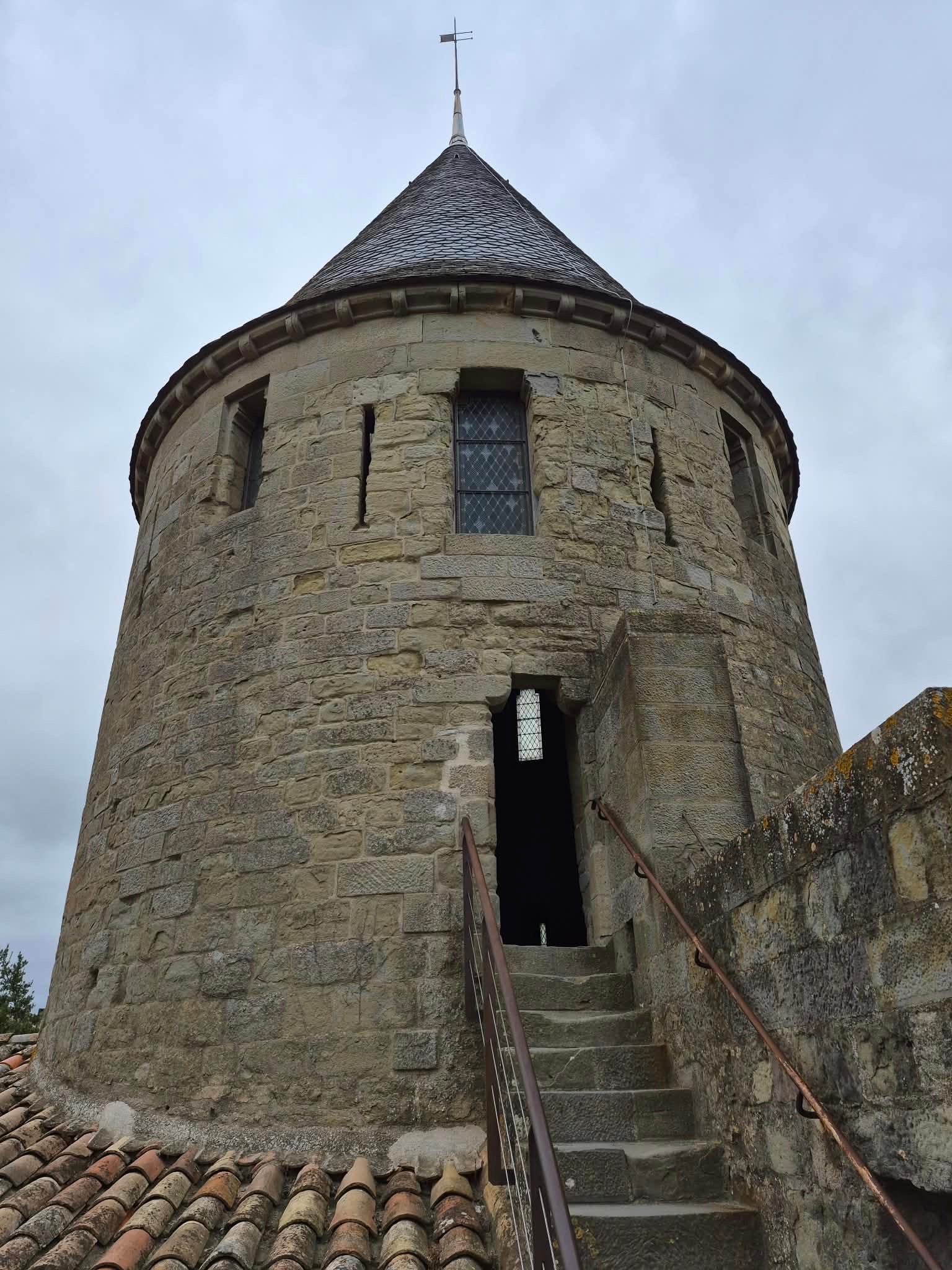
Massive social change, powerful leaders longing to act, and a subtler, intimately felt shift in people’s sense of themselves. All in all, a storm was brewing and it precipitated in 1209 with what became the Albigensian Crusade. The King of France succumbed to the pope’s entreaties and an enormous army assembled around Lyon, before marching on Bézier and Carcassonne.
Some, like the friar Saint Dominic, tried to contain the situation within the bounds of reason alone. The Spaniard deployed his persuasive powers to bring about conversions and conformity. He could also point to the occasional miracle, though on both counts had limited success. Others, like the troubadour Fulk of Marseille, leant their rhetorical talents to unleashing fear and fury. He was particularly effective.
Those who thought they knew best enforced the revolution and, like all revolutions since, good intentions quickly fouled. The radical spirit took on an unchecked momentum of its own, even as those who were wronged or misunderstood, countered by condemning and cancelling, too. Atrocities accompanied genocide.
The Cathar tale is, therefore, a warning, but not against medieval brutality and church oppression. Enlightened moderns might take note and not consign the lesson to the superstitious past. For the desire to cleanse stays strong, the sense that the enemy is a neighbour remains. Hear the word “Cathar” now? Think not hippies or buried treasure, but policing and the silencing sought by ideologues with powers they long to deploy.
DATES FOR YOUR DIARY
Thursday 8th October - Idler Drinks with Michael Pollan. The first of the new season of online weekly gatherings.
Saturday 17th October - Spiritual Fourfold London: A William Blake day pilgrimage with Mark Vernon. A chance to prepare for the bicentenary of Blake’s death in 2027.
Friday 6th November - The Christian Mysticism of William Blake, Sarum College, Salisbury.
Saturday 14th November, After Therapy Suffering in the age of Big Mental Health, Verdurin, London.
15th November, 2026 – 20th November, 2026, The Nostos Retreat, Broughton Sanctuary, Skipton.
Friday 27th November - Escaping the Cave: Plato in Art, Science and Spirituality. A day conference in Cambridge.
11th December – 13th December, Wild Christ with Martin Shaw, School of Myth, Dartmoor.
A fascinating read. I always look for some underlying economic or political motive for atrocities, but time and again, 'wrong-think' seems motivation enough.